 rotary jointsrotary joints
Search the whole station
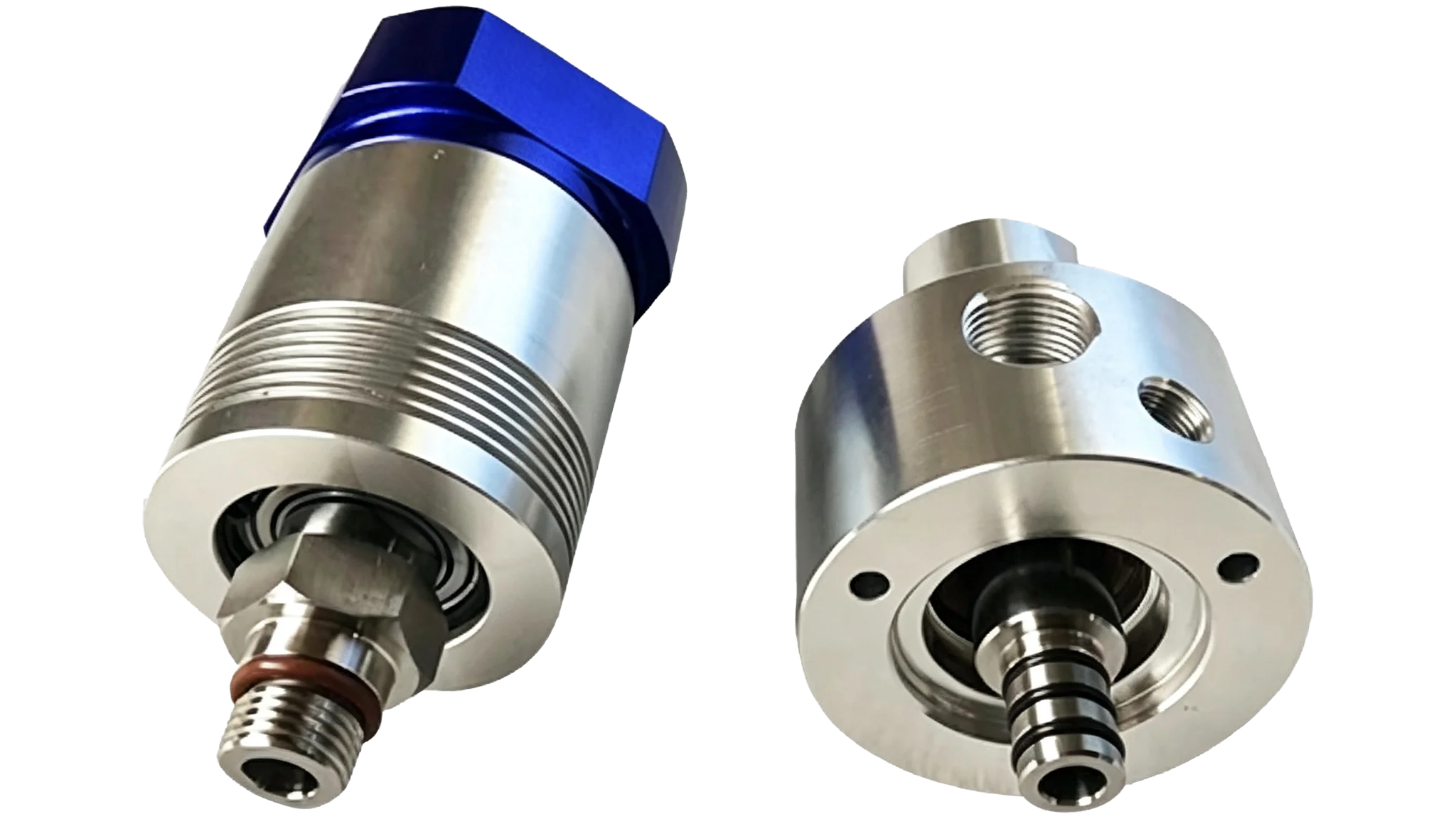
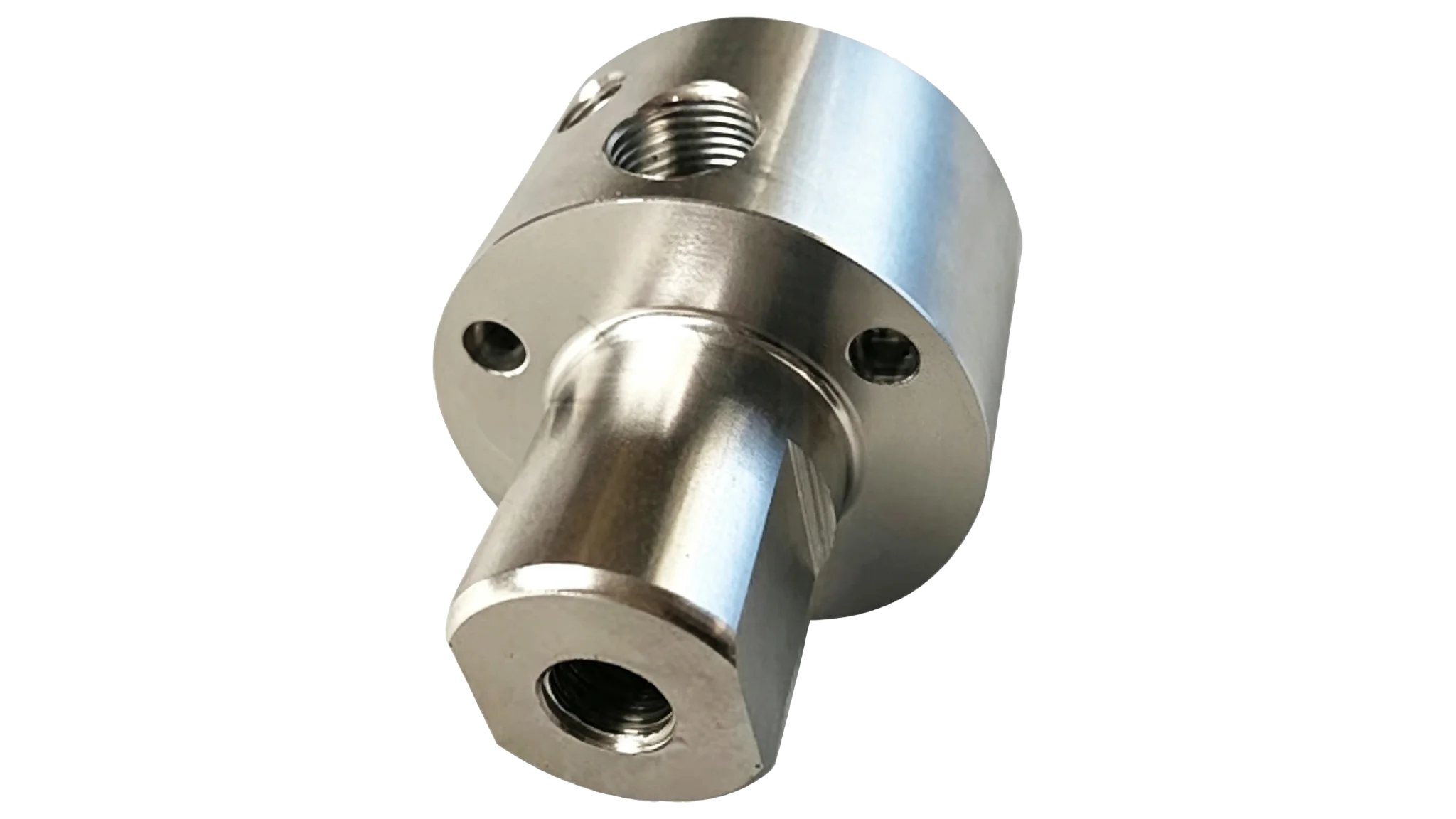
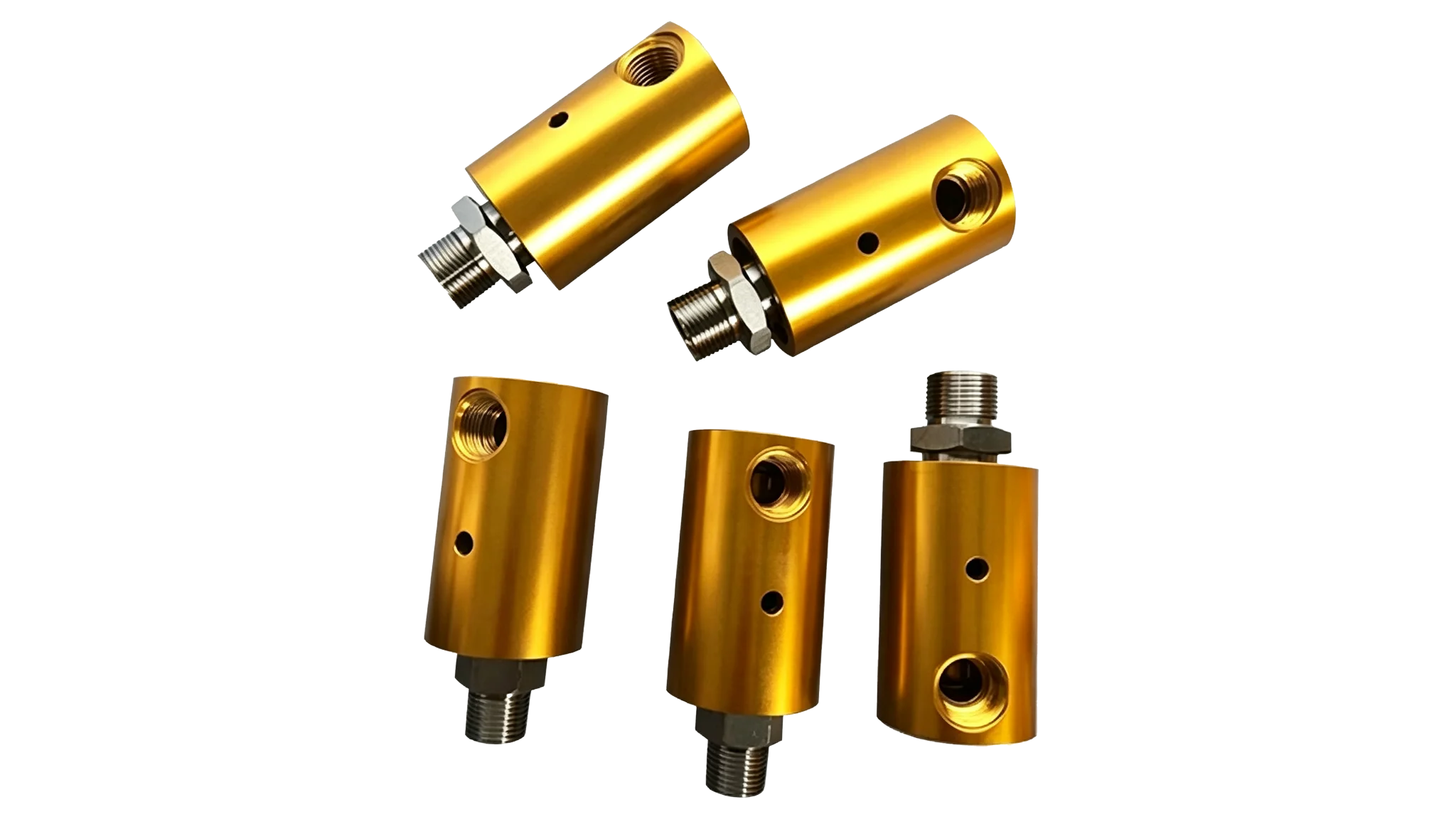
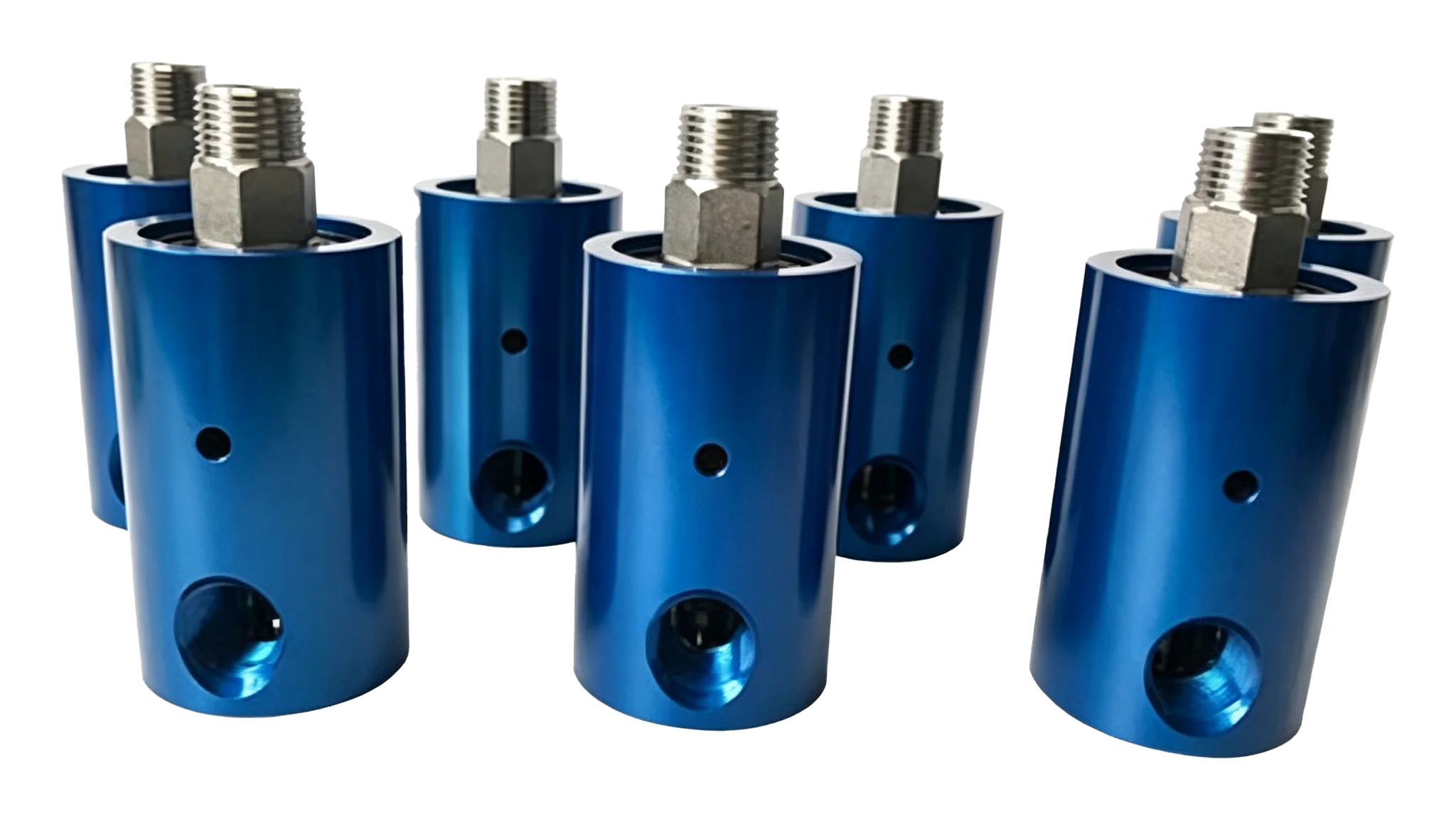
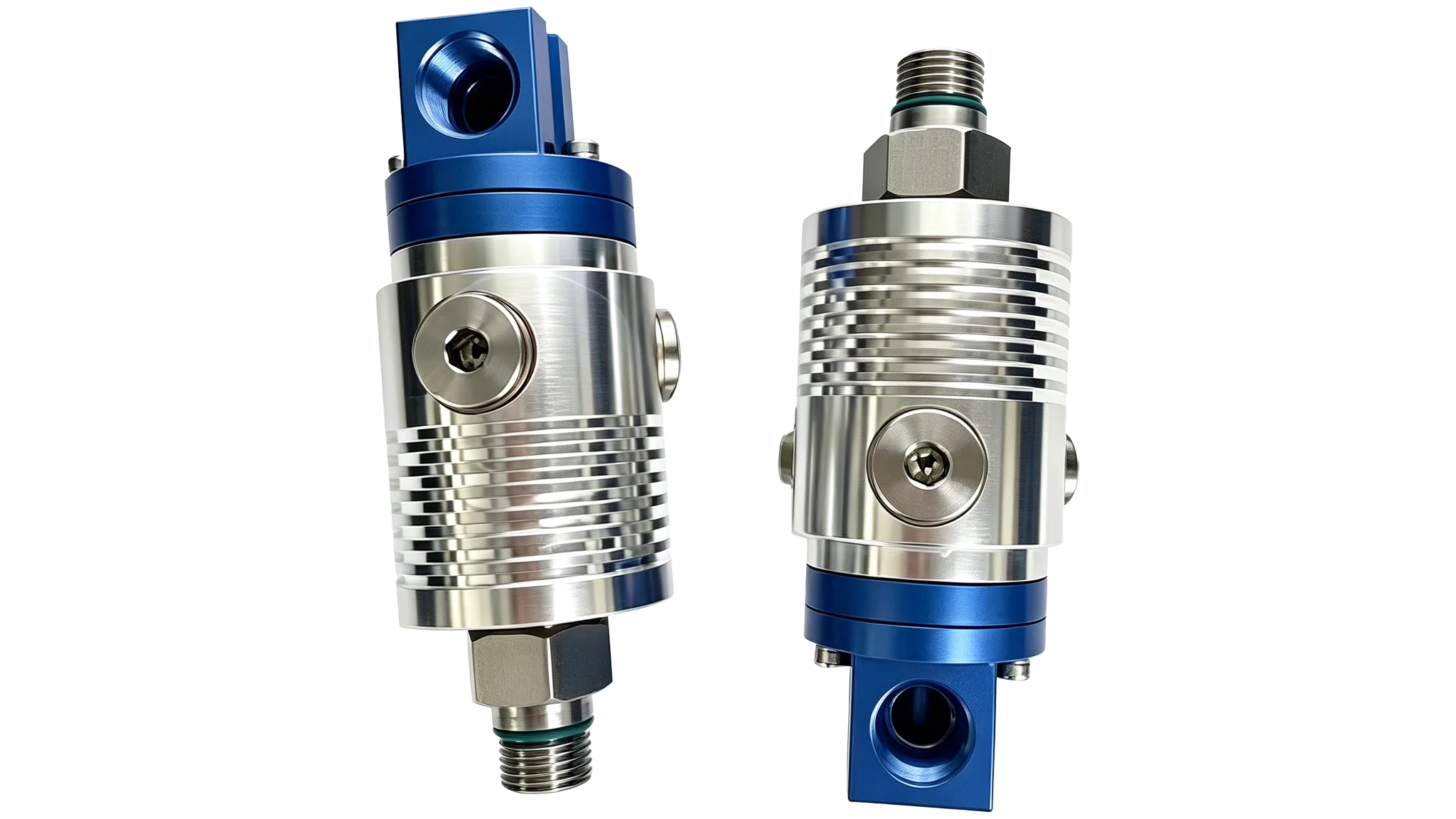
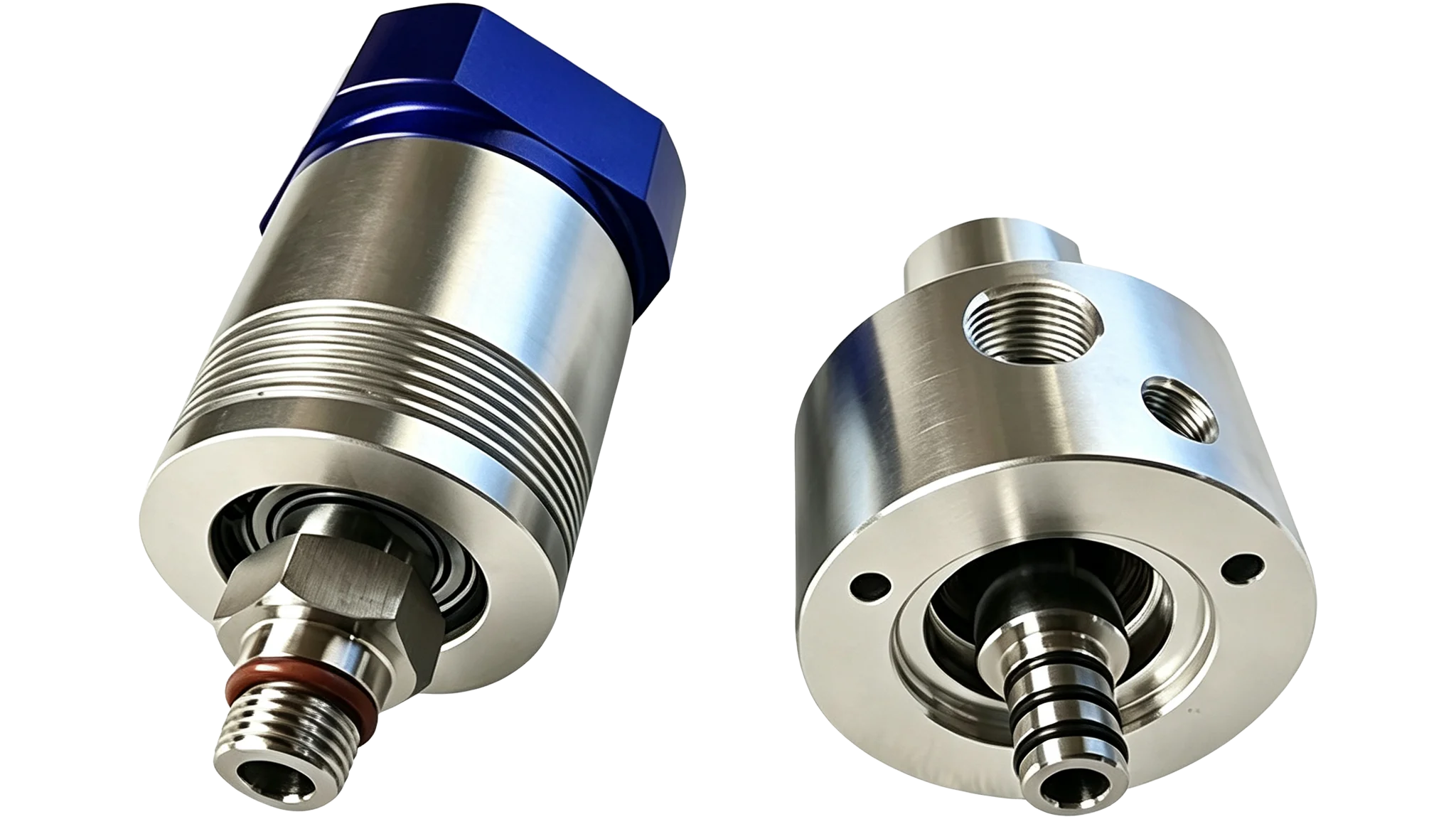
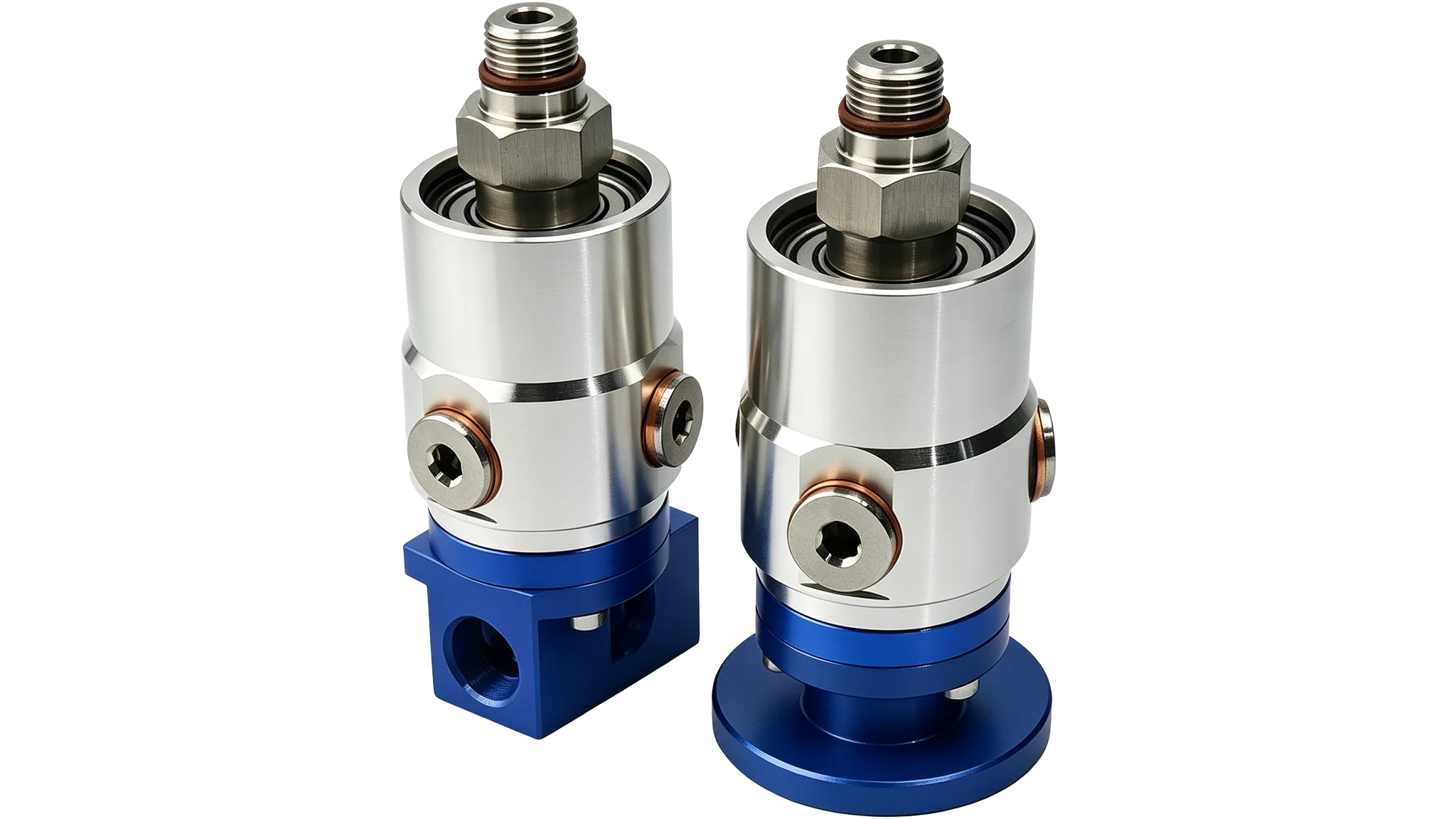
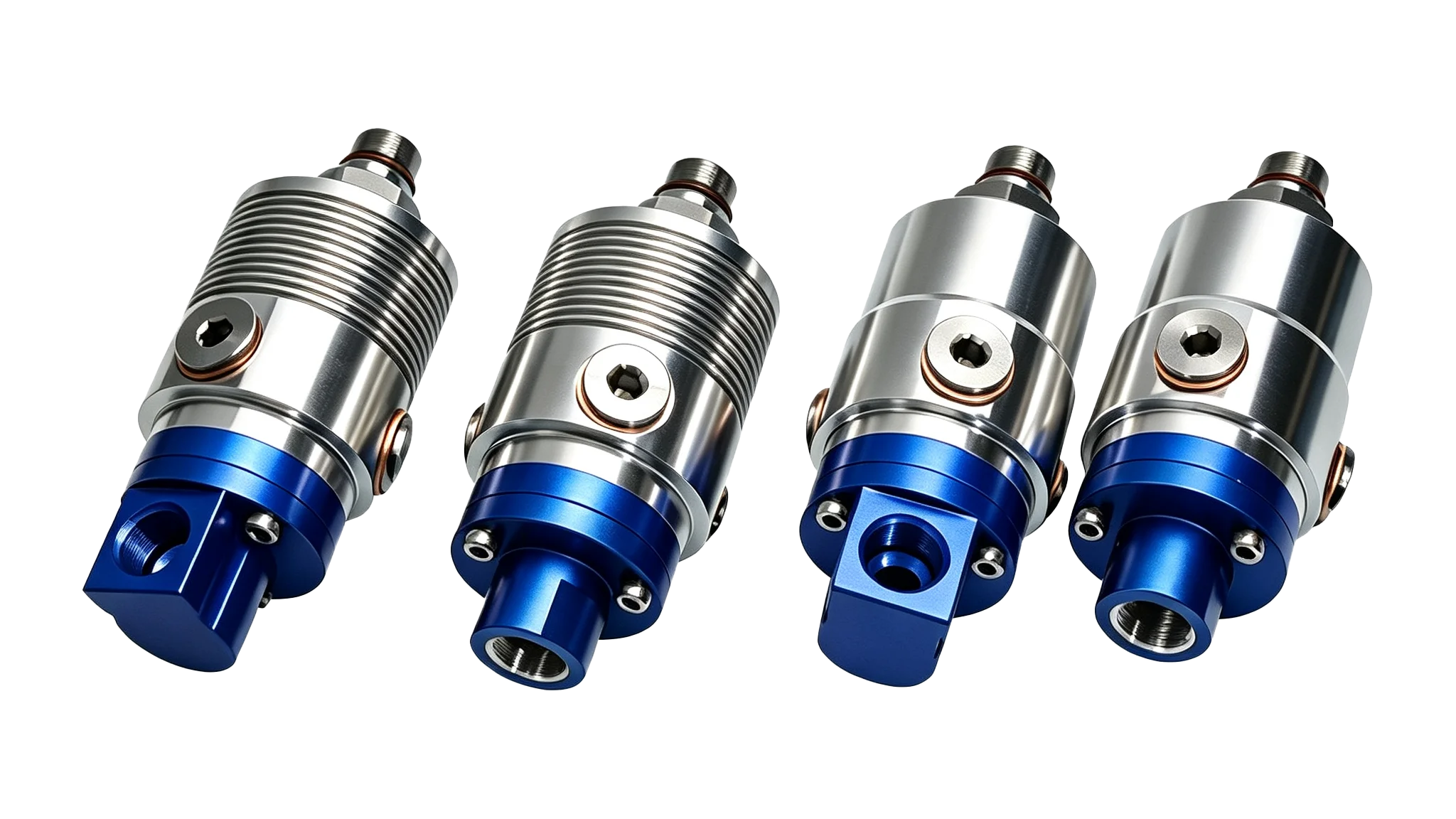
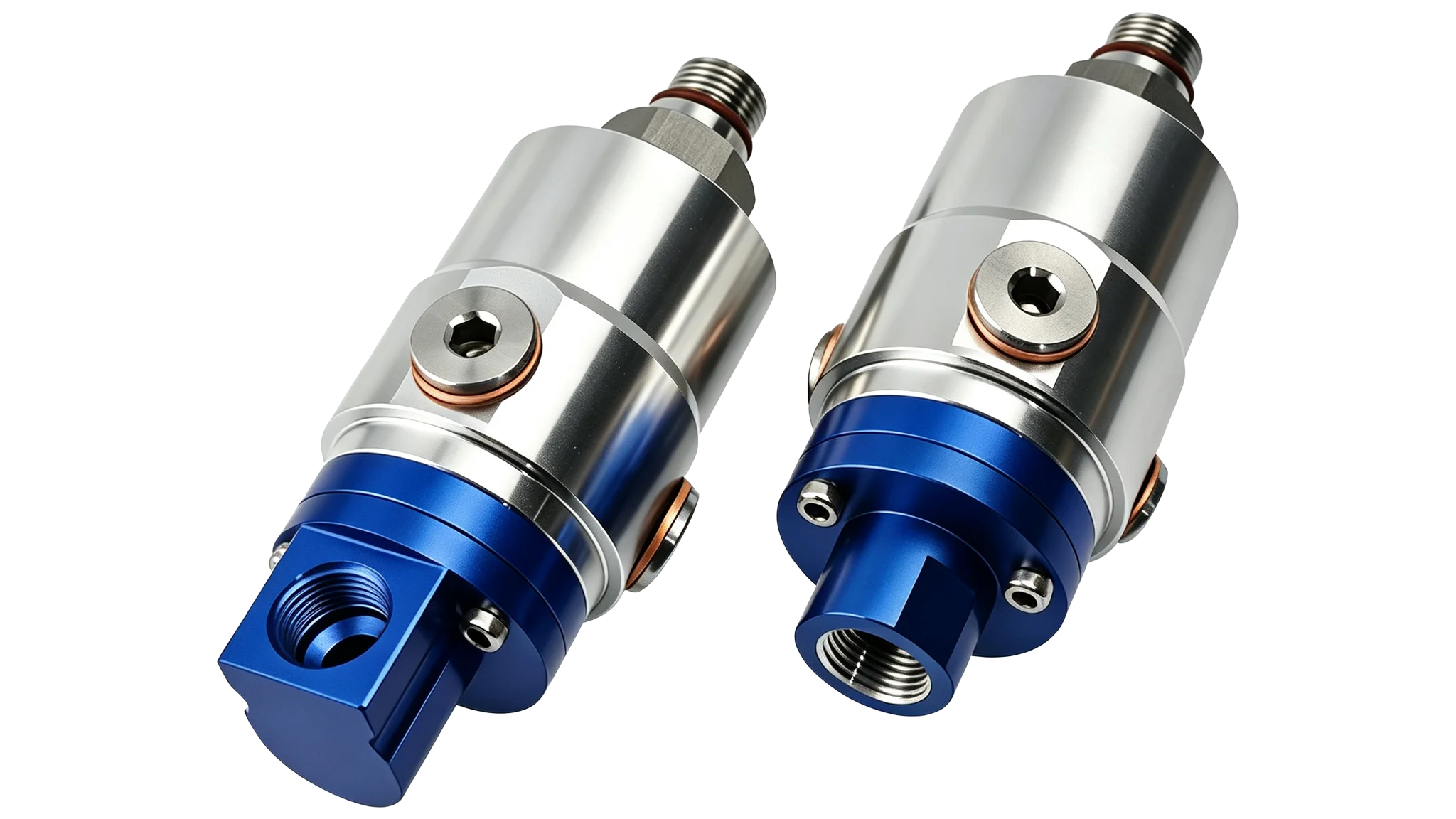
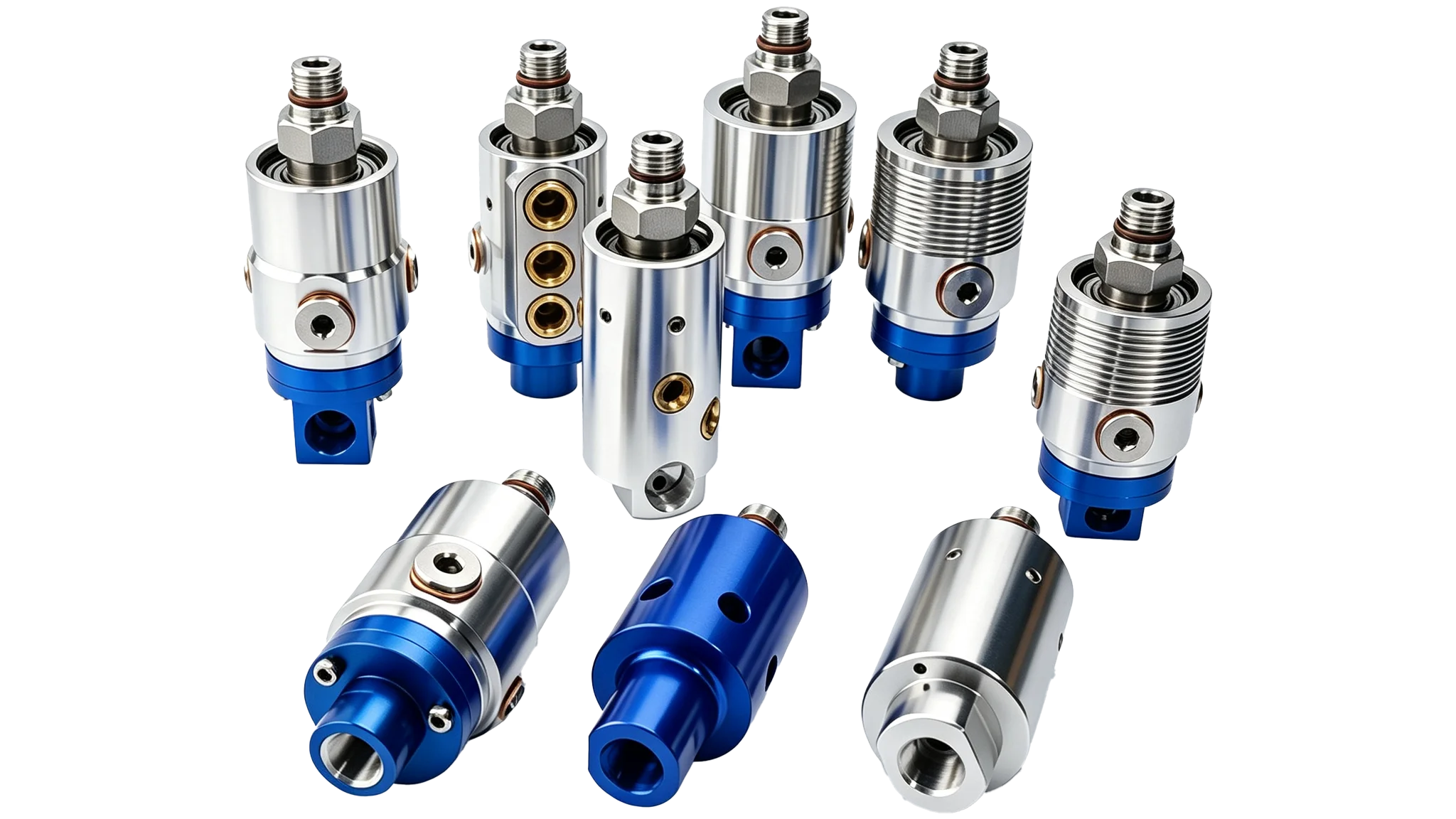
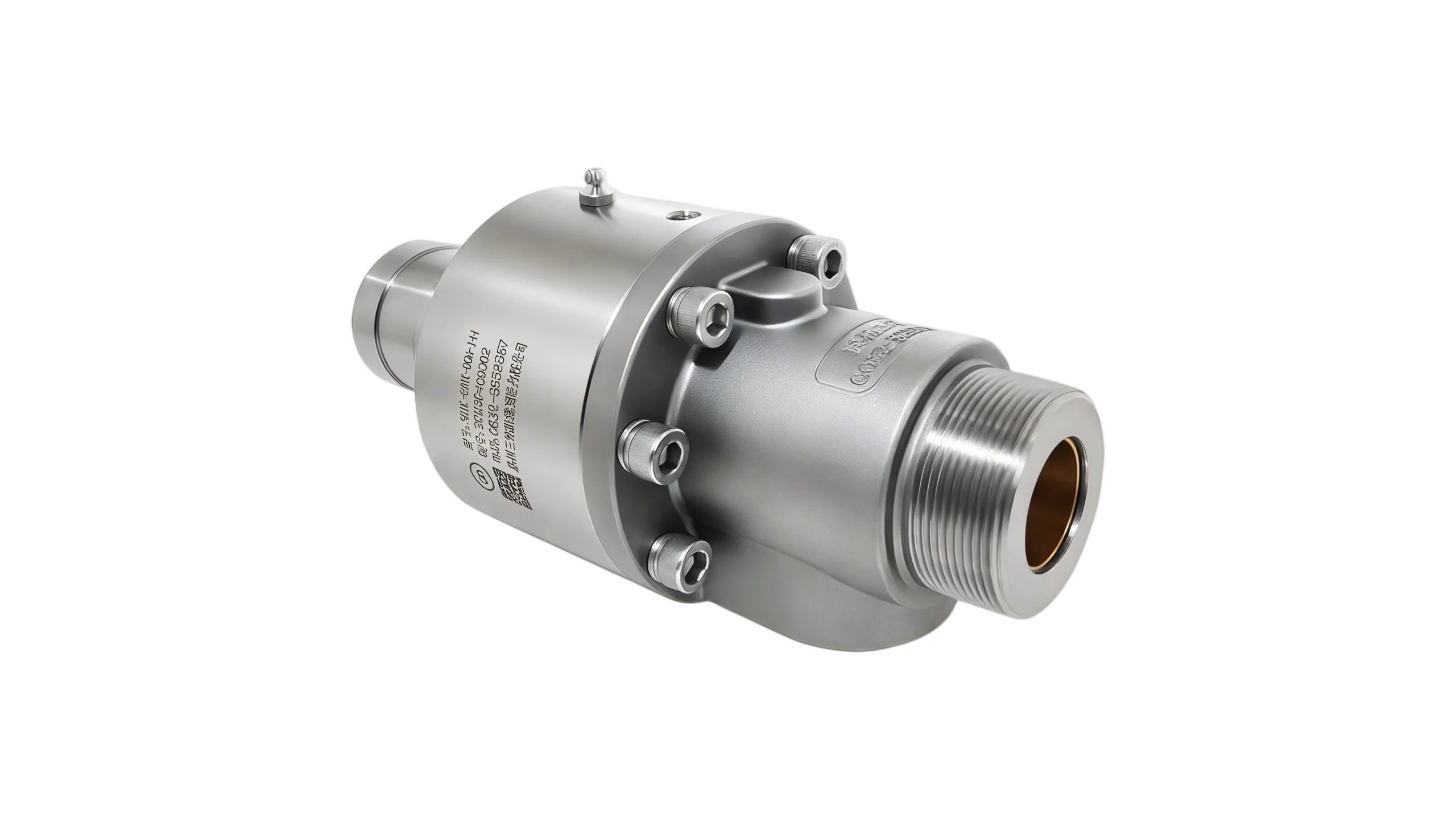
The high-speed rotary joint of the machine tool spindle is a fluid sealed transmission component designed specifically for CNC machine tool spindles. Its core function is to transport coolant or hydraulic oil from a fixed pipeline to the rotating spindle at high speeds without damage, achieving dual effects of central cooling and hydraulic loosening
Structural Description
Single channel for coolant or MQL
Technology allows unlimited dry operation without medium pressure
Full flow design, unobstructed passage, avoiding residual impurities
The threaded rotor supported by bearings is easy to install
Double angle contact ball bearing
Maze structure and multiple large leakage ports to protect ball bearings
The balanced mechanical seal uses silicon carbide, which has a long service life, even under harsh operating conditions
Anodized aluminum shell for corrosion resistance
Product Description:
1. Maze style sealed box drainage can also protect bearings
2. High precision bearings operate stably without vibration
3. Hardened stainless steel rotor
4. Stainless steel springs installed outside the fluid
5. Excellent balanced sealing ensures low friction
6. The shell is made of aluminum alloy
7. Wear resistant, heat-resistant, and impact resistant tungsten carbide cover
In the fast-paced world of modern manufacturing, precision and speed are everything. As CNC machines are pushed to their limits to deliver tighter tolerances and faster cycle times, the underlying hardware must rise to the challenge. At the heart of this high-performance environment is the machine tool spindle. However, the true unsung hero that allows this spindle to operate flawlessly under extreme conditions is the machine tool spindle high-speed rotary joint.
If you want to maximize your machining efficiency, extend tool life, and reduce costly downtime, understanding how this vital component works—and how to maintain it—is absolutely essential.
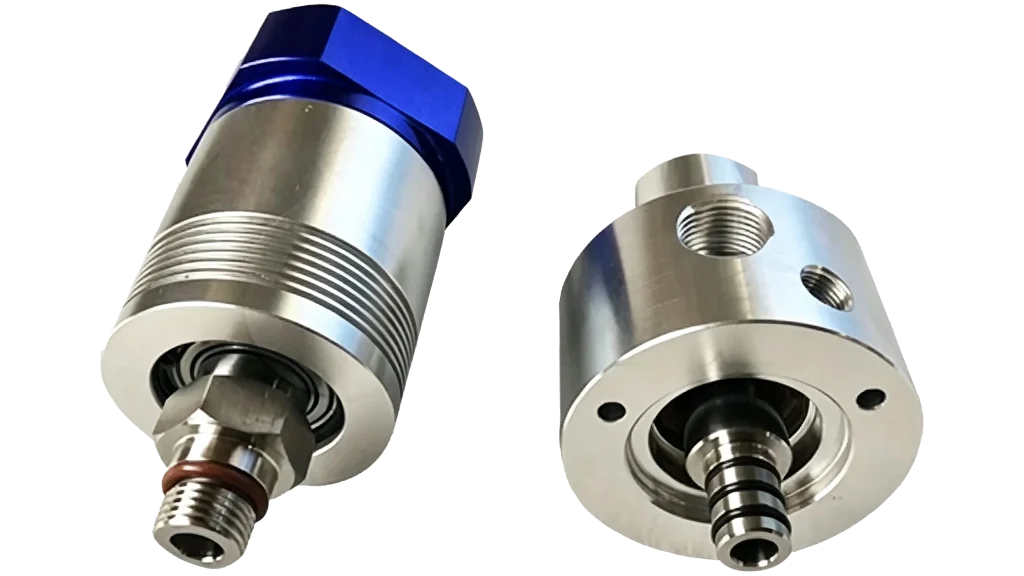
A machine tool spindle rotary joint (often referred to as a rotary union) is a precision mechanical device used to transfer fluids—such as liquid coolant, cutting oil, air, or mist—from a stationary supply line into a rotating machine tool spindle.
As one of the most critical spindle assembly parts, the rotary joint sits at the top or rear of the spindle. It is the core of your through-spindle coolant system components, allowing fluid to travel directly through the spindle shaft and out of the cutting tool. This direct delivery system flushes chips away from the cutting zone and dramatically reduces heat, allowing for deeper, faster, and more accurate cuts.
Operating a high-speed spindle union for CNC machining requires engineering that can handle immense centrifugal forces, friction, and fluid pressures.
When evaluating a rotary joint, engineers often weigh the benefits of a mechanical seal vs hydrostatic rotary unions.
The longevity of a rotary joint heavily depends on its seal face materials. A common debate among manufacturers involves silicon carbide vs tungsten carbide seal faces. Silicon carbide is incredibly hard, lightweight, and offers superior thermal conductivity, making it excellent for dissipating heat. Tungsten carbide, while heavier, provides unmatched toughness and resistance to extreme mechanical shock.
Additionally, modern machining often requires components to run without liquid coolant. In these scenarios, utilizing specialized seals for dry running spindle applications is crucial. These seals are engineered with self-lubricating properties (like specialized carbon graphite) to prevent catastrophic failure when pressurized air or gases are used instead of liquid coolant.
To prevent unnecessary strain on the spindle motor, manufacturers focus on a low torque high-speed rotary union design. By minimizing the friction and drag created by the internal seals, the spindle can accelerate and decelerate much faster, saving energy and reducing overall cycle times.
 Managing Fluid Dynamics and Temperature Control
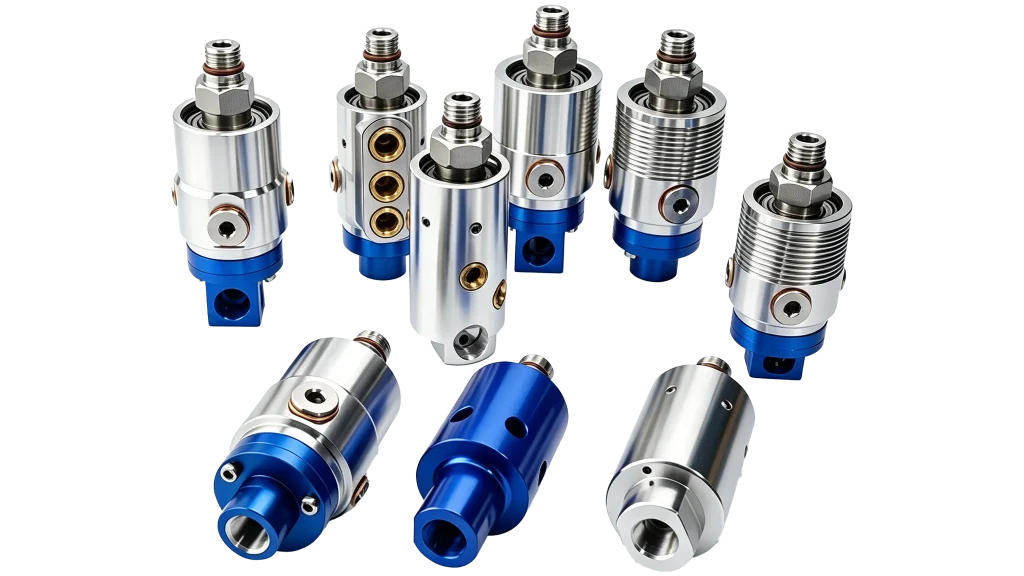
When you are pushing a tool at 20,000 RPM or more, maintaining adequate high RPM rotary union flow capacity is vital. If the joint restricts fluid flow at high speeds, the cutting tool will be starved of coolant, leading to rapid tool wear and poor surface finishes.
Proper fluid delivery also plays a massive role in thermal displacement control in machine spindles. As spindles rotate, they generate heat, which causes the metal shaft to expand slightly. Even a few microns of thermal growth can ruin a high-precision part. By flowing chilled coolant directly through the center of the spindle via the rotary joint, you keep the spindle core at a stable temperature, ensuring flawless accuracy.
Furthermore, many modern facilities are transitioning to greener, more efficient cooling methods, such as Minimum Quantity Lubrication MQL delivery systems. Instead of flooding the part with liquid, MQL systems use the rotary joint to deliver a finely atomized mist of air and oil directly to the cutting edge. This provides perfect lubrication with virtually no waste.
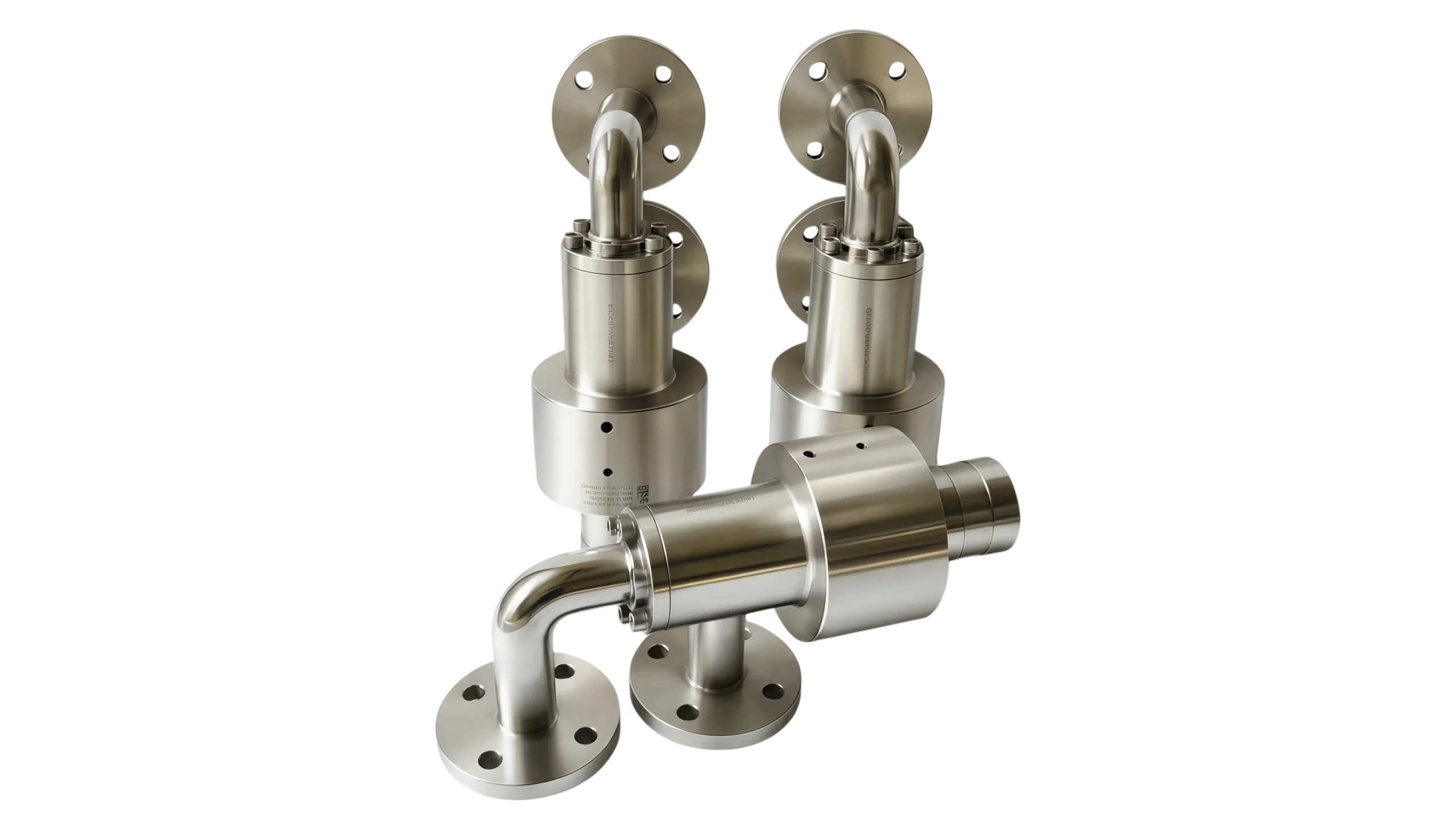
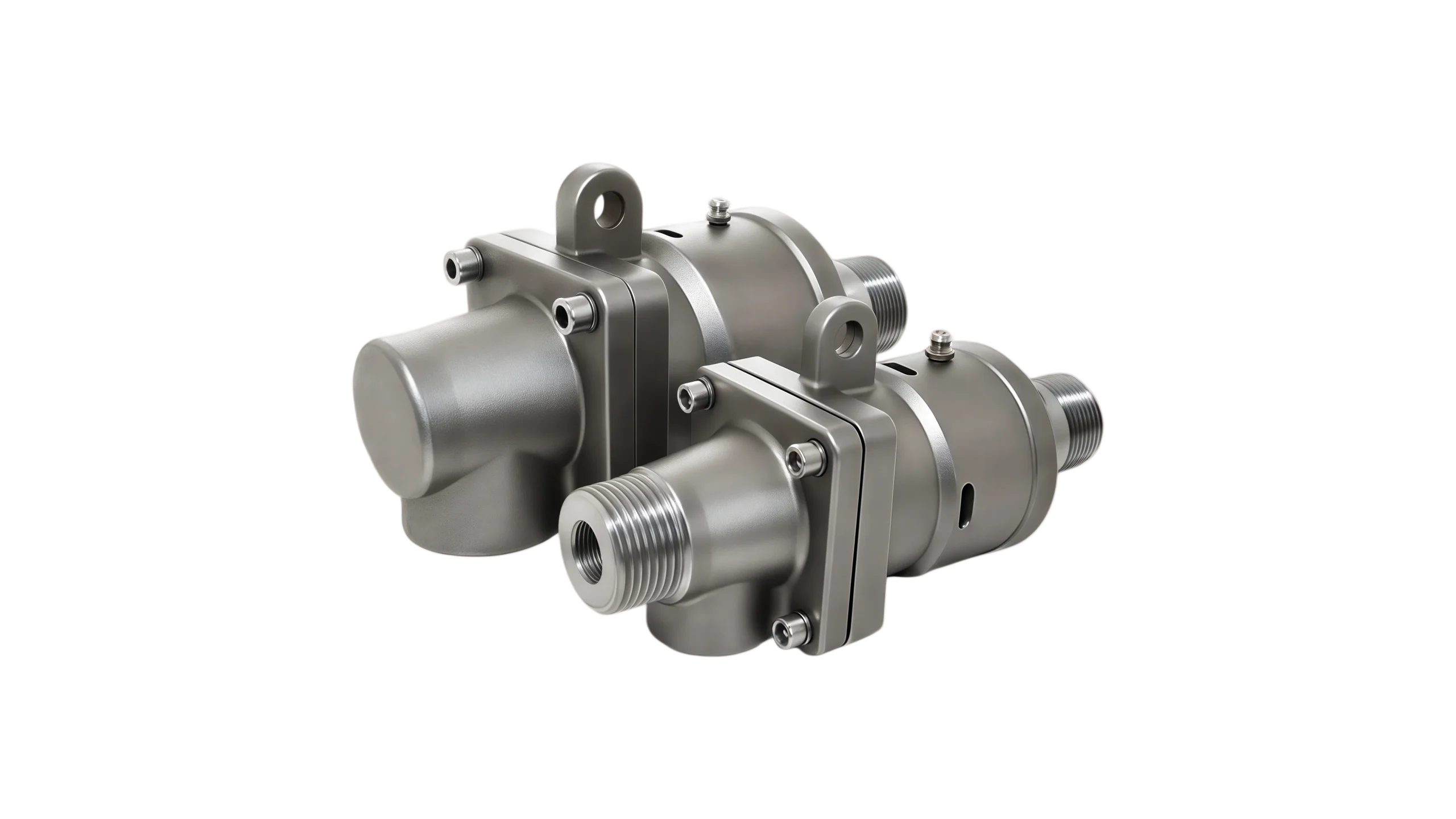
A rotary joint is a sealing device that connects stationary pipelines and rotating equipment, achieving leak free fluid transmission under 360 ° rotation. It allows fluid media to flow smoothly between fixed pipelines and rotating machines, and is a key component in industrial equipment
F90 swivel unions Transporting equipment components from a fixed pipeline system to high-speed rotating or reciprocating motion
Q32 swivel unions
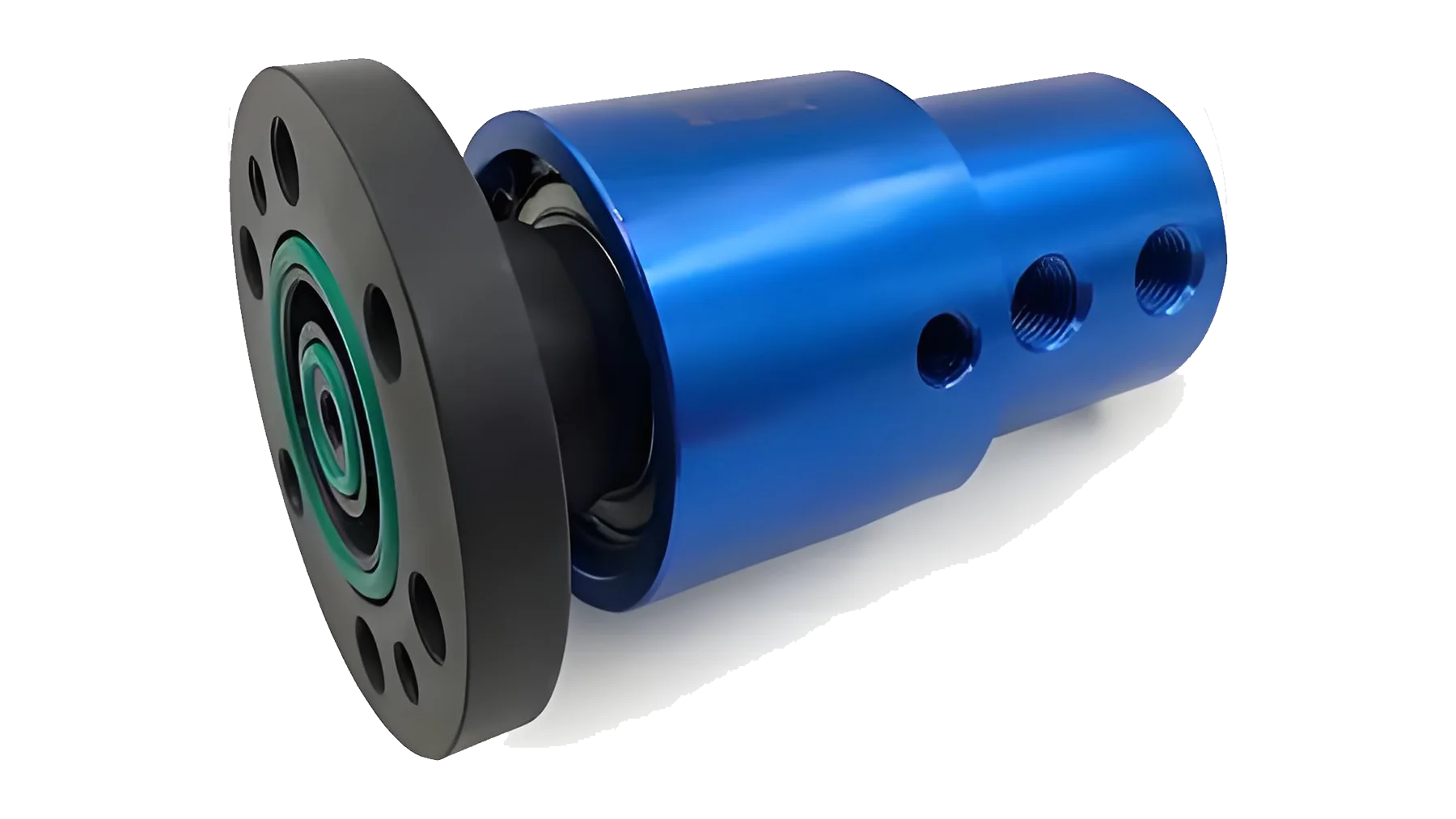
JD40 rotary joint is a key sealing component in industrial fluid transmission systems, usually referring to a rotary connection device with a diameter of DN40 (or corresponding British caliber). As a transitional sealing device that transports fluid media (such as water, steam, hydraulic oil, thermal oil, compressed air, etc.) from static pipelines to dynamic rotating or swinging equipment